
Indoor Playgrounds Manufacturer
invest in the FEC industry with our attractions
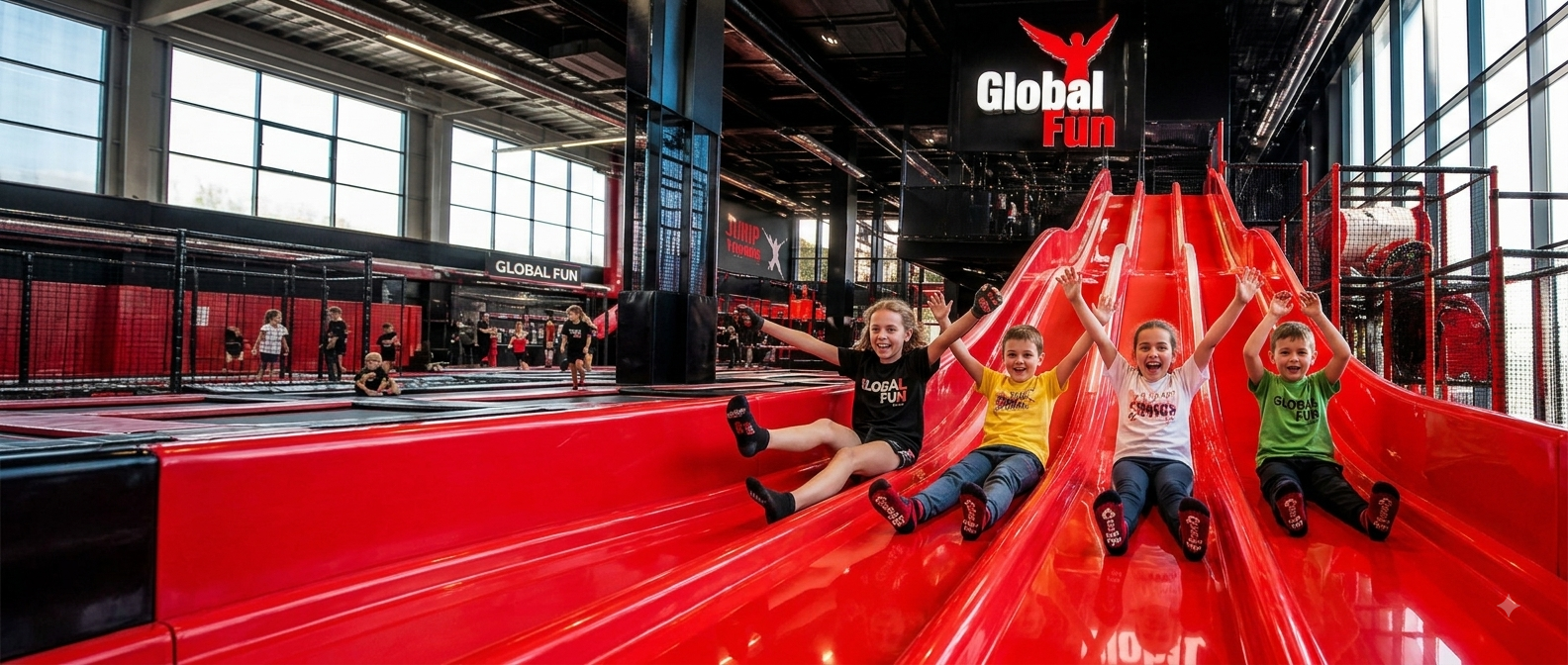
In the competitive landscape of Family Entertainment Centers (FECs), profitability is often measured by how effectively an operator can monetize every square foot of floor space. While high-energy attractions like trampolines and climbing walls drive initial foot traffic, role-play villages—often referred to as pretend cities—serve a different, equally critical financial purpose: increasing dwell time and driving secondary spend.
Pretend cities function by creating immersive, miniature environments where children engage in wayfinding, social interaction, and imaginative play. By simulating real-world settings such as grocery stores, fire stations, or medical clinics, these installations encourage longer visits. For the facility owner, this translates directly into higher food and beverage (F&B) sales and increased repeat visits from parents who see the value in educational, cognitively stimulating play.
The strategic placement of role-play zones is essential for any high-yield facility. Unlike purely physical attractions that require significant vertical clearance, pretend cities can be integrated into various layouts to fill gaps in the floor plan or utilize lower-ceiling areas. Achieving a balance between high-impact active zones and these immersive "quiet" zones is fundamental to maximizing revenue per square foot through optimized FEC floor plan design.
When a child enters a themed village, the psychological shift from "active movement" to "imaginative engagement" slows down the pace of the visit. This extended duration is where the real margin resides. As families stay longer to navigate the pretend streets, the likelihood of them utilizing on-site cafes, restaurants, or retail shops increases significantly.
Generic, off-the-shelf play equipment lacks the ability to create a "destination" effect. To compete with local entertainment options, developers must move away from standard plastic structures and toward bespoke, high-fidelity environments. The ability to implement custom theming and unique branding is vital for building unbeatable competitive moats in the modern market.
Custom-engineered villages allow for specific brand integration and storytelling. Whether you are developing a high-end hospitality amenity or a massive standalone FEC, the quality of the furniture, the detail in the shop facades, and the durability of the materials determine the long-term ROI. Our manufacturing process focuses on using industrial-grade, easy-to-sanitize materials that withstand the heavy use typical of commercial environments while maintaining the aesthetic appeal required to attract premium demographics.
<A successful FEC does not rely on a single type of attraction but rather a cohesive ecosystem of play. The most profitable facilities are those that successfully bridge the gap between high-intensity physical movement and cognitive role-play. For example, operators can surround a central role-play village with high-retention active elements, such as interactive pneumatic ball walls that combine STEM learning and high retention.
This synergy ensures that the facility appeals to a wide age range simultaneously. While older children may occupy the high-energy zones, younger children can remain engaged in the pretend city, allowing parents to relax and spend more within the venue. Furthermore, for larger-scale developments exploring expansion through adding a laser tag arena with analyzed installation costs and ROI, the role-play village acts as the foundational anchor that keeps the younger demographic active in the venue.
From an operational standpoint, pretend cities require careful consideration of maintenance and hygiene. Unlike trampoline mats, which require specific tension checks, role-play elements primarily require rigorous cleaning protocols and durability audits. Our in-house Polish installation crew ensures that every component, from the miniature supermarket counters to the street textures, meets strict European and US safety certifications.
Investing in high-quality, custom-manufactured villages reduces long-term replacement costs. By focusing on structural integrity and easy-to-clean surfaces during the design phase, facility owners can protect their initial capital investment and ensure a much longer lifecycle for the attraction.
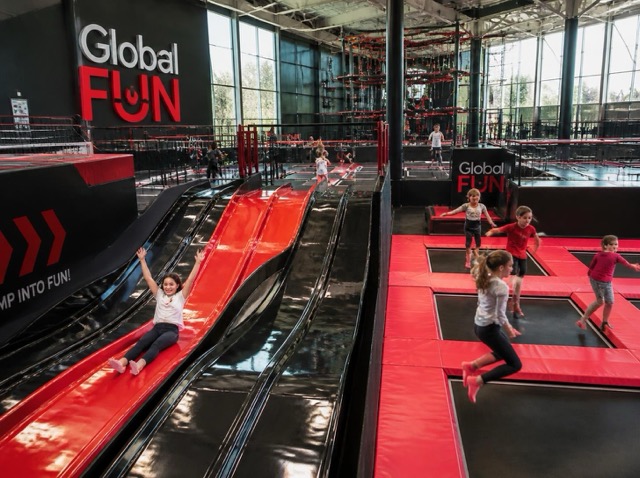
Transforming vacant warehouse space or upgrading an existing facility requires precise planning, from 3D virtual walkthroughs to exact capacity calculations. Our team provides end-to-end service, including site audits and turnkey assembly, to ensure your project meets both your creative vision and your financial targets.
To discuss your site layout, request a custom quote, or schedule a technical audit of your current facility, contact our specialists directly: