
Indoor Playgrounds Manufacturer
invest in the FEC industry with our attractions
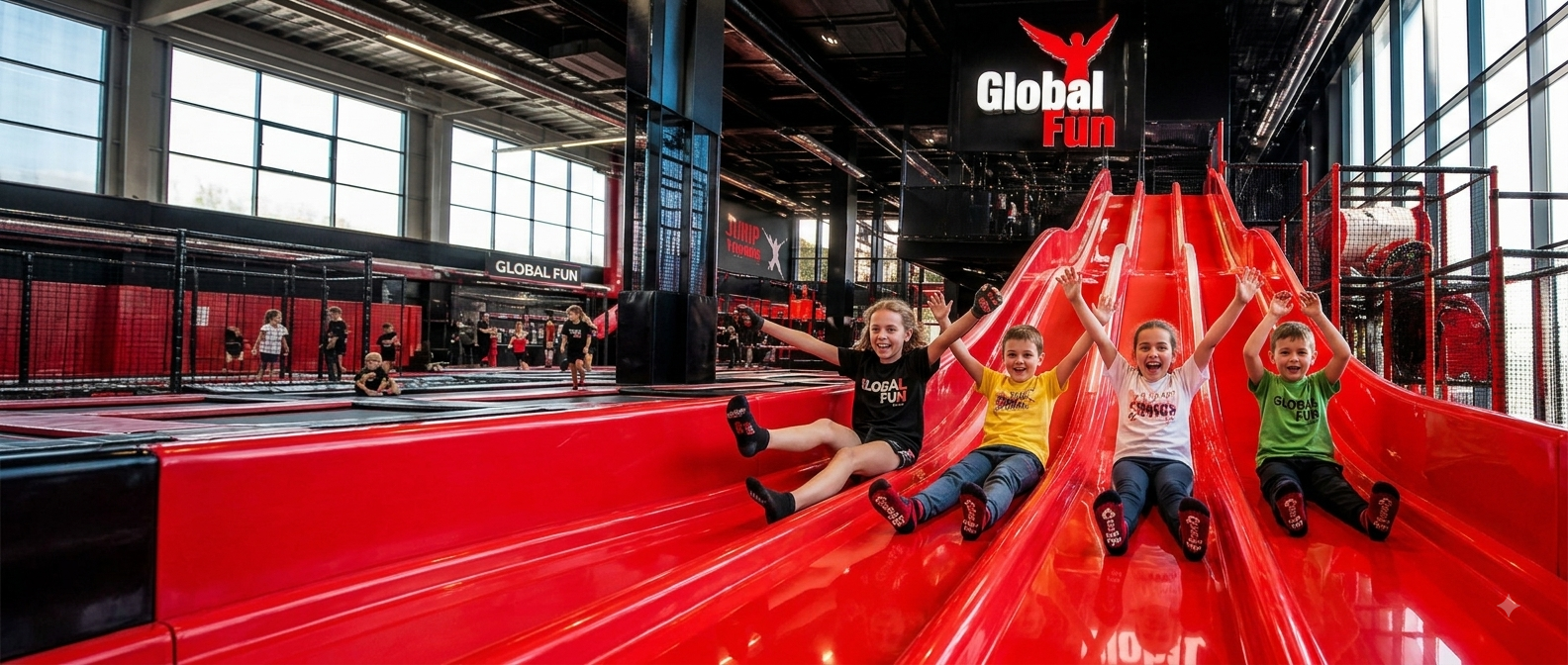
In the commercial Family Entertainment Center (FEC) industry, risk management is not merely an operational checkbox; it is a fundamental pillar of financial stability. For developers and facility owners, the decision to invest in playground or trampoline park equipment carries significant long-term liability. The difference between a profitable, sustainable venue and a catastrophic legal failure often rests on the engineering specifications of your attractions. Specifically, adherence to ASTM F2075 (and related ASTM F2970 standards) in the United States and EN 1176 in Europe dictates whether your assets are professional-grade investments or high-risk liabilities.
For operators in the US market, compliance with ASTM standards is non-negotiable for mitigating litigation risk. These standards focus heavily on preventing entrapment, impact injuries, and structural failures. The engineering requirements cover everything from the precise dimensions of gaps between mats to the durability of padding materials under high-frequency use.
When installing complex, high-performance attractions such as ProZone and wall walk trampolines, the margin for error is virtually zero. These advanced acrobatic zones demand strict adherence to impact attenuation protocols to ensure that even the most intense physical maneuvers do not result in injury. Using non-certified equipment or unverified installation methods can lead to immediate voiding of insurance coverage and extreme exposure during safety audits.
In Europe, the EN 1176 standard provides the framework for the design, manufacture, and installation of permanent play equipment. This standard is critical for ensuring that all components—from climbing structures to interactive zones—are built to withstand both environmental stress and intensive commercial usage. It focuses on several key areas:
For owners managing multi-site portfolios across Europe, maintaining a unified standard of equipment is essential for operational consistency and brand reputation.
Safety compliance does not exist in a vacuum; it must be integrated into your broader business strategy. A safe environment directly influences player throughput and revenue density. For example, implementing cashless RFID card systems helps managers monitor capacity and foot traffic in real-time, preventing overcrowding in high-risk zones like trampolines or climbing areas.
Furthermore, modern facility management involves finding the balance between safety oversight and overhead control. Many successful operators are exploring labor optimization and supervisory automation to ensure that high-risk areas are monitored without ballooning payroll costs. By using automated systems for access control and age verification, you reduce the likelihood of human error in supervision.
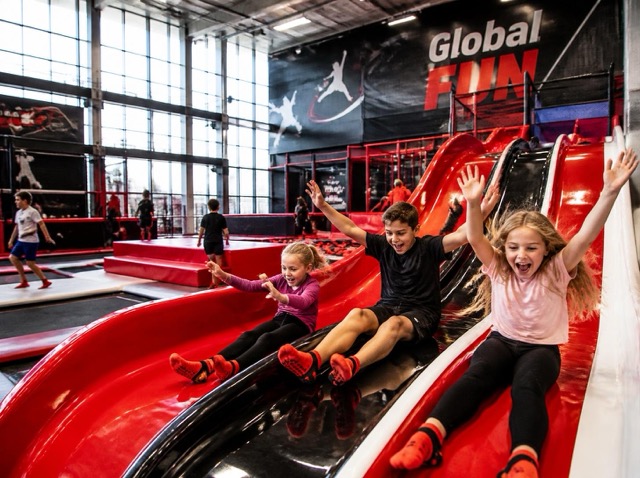
Purchasing certified equipment from a reputable manufacturer is only the first step. The protection of your investment requires a continuous cycle of inspection and upkeep. A failure to implement a preventive maintenance strategy for trampoline parks can lead to the rapid degradation of safety-critical components, such as spring tension or foam density.
To stay ahead of evolving regulations and technical requirements, facility owners should regularly consult FEC industry news regarding new safety mandates and equipment upgrades. A professional safety audit should be part of your annual operational budget to verify that your in-house team or third-party contractors are maintaining the integrity of the original engineering.
Do not leave your investment to chance. Whether you are planning a new build, looking for a site audit, or requiring an upgrade to existing attractions, our in-house Polish engineering and installation crew provides turnkey delivery that meets both US and EU safety standards.
Contact our specialists today to discuss your project layout and ROI potential: