
Indoor Playgrounds Manufacturer
invest in the FEC industry with our attractions
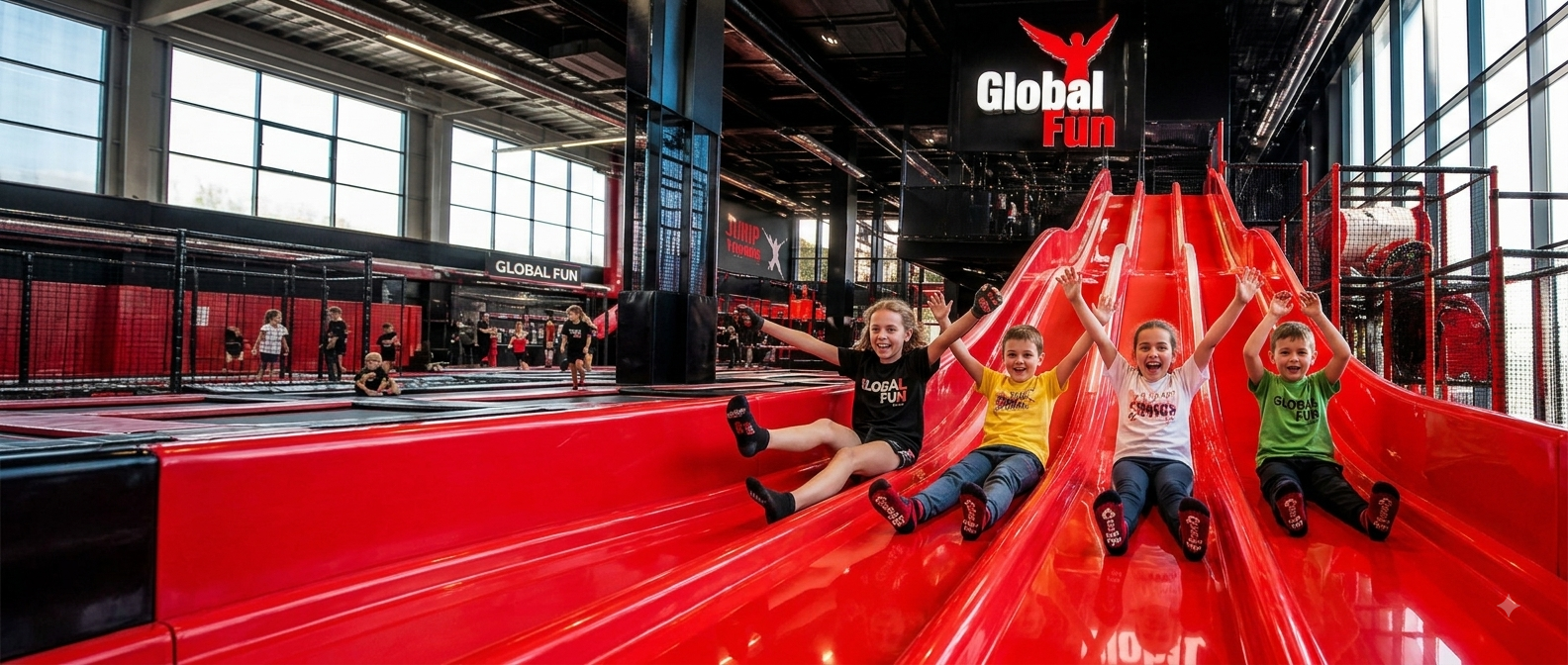
Launching a trampoline park requires more than an entrepreneurial spirit; it demands a rigorous financial blueprint. For investors and commercial real estate developers, the difference between a profitable facility and a capital sink lies in the precision of the initial business plan. A successful FEC (Family Entertainment Center) strategy must account for heavy upfront capital expenditures, long-term operational overhead, and a clear path to recouping investment through diversified revenue streams.
The first major cost driver is the facility itself. Unlike standard retail, a trampoline park requires specific structural capabilities, including high ceilings for flight clearance, reinforced flooring for impact absorption, and advanced HVAC systems to manage heat and humidity generated by physical activity. When evaluating your initial budget, you must distinguish between adaptive reuse of existing warehouses and new construction.
A critical part of your feasibility study involves comparing the investment costs of inflatable parks versus trampoline parks to determine which model aligns with your available square footage and target ROI. While inflatable options may offer lower entry costs, a permanent trampoline park structure often provides higher durability and greater long-term capacity for high-traffic venues.
To stay informed on evolving market trends and facility requirements, regularly reviewing industry news updates is essential for making data-driven decisions during the planning phase.
The most significant portion of your capital expenditure will be the attraction equipment. This includes trampoline mats, padding, foam pits, and specialized safety netting. To mitigate risk, avoid fragmented procurement. Working with a direct manufacturer provides much-needed certainty regarding European and US safety standards and structural integrity.
A major hidden cost in FEC development is the complexity of on-site assembly. Budgeting for a turnkey delivery model is vital. By utilizing an in-house, professional installation crew—such as our specialized Polish engineering team—you eliminate the logistical failures often associated with third-party contractors. This ensures that the equipment arrives and is assembled exactly according to the engineered 2D/3D site plans, reducing delays and preventing costly structural errors.
Furthermore, modern revenue optimization depends on technology integration. If you want to increase visitor dwell time, consider integrating interactive trampolines and AR gamification into your park design. These high-tech attractions differentiate your facility from standard competitors and justify higher entry fees.
A robust business plan must look beyond simple hourly jump tickets. To achieve a healthy ROI, you must maximize the revenue generated per square foot through secondary streams:
When projecting your operational expenses, do not overlook the costs of safety audits, equipment maintenance, and insurance premiums. Regular inspections are mandatory to maintain compliance with international safety certifications.
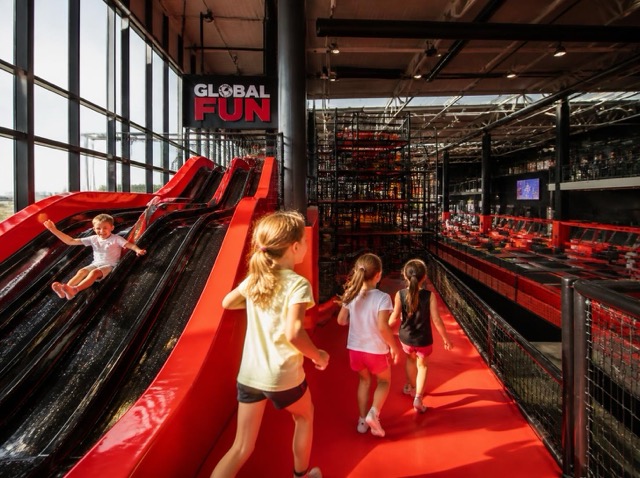
Investors should not view their first location as an isolated project but as a foundation for growth. Once the initial model is stabilized and the payback period is approaching, your focus should shift toward scaling your FEC business into a multi-unit franchise. This requires a standardized approach to equipment procurement and facility design that can be replicated across different geographic markets.
The ability to retrofit older venues or expand existing footprints with new interactive zones allows for continuous revitalization, preventing the "aging park" syndrome that often plagues the industry.
Estimating the true cost of an indoor park requires professional engineering insight. We provide comprehensive site audits, capacity planning, and 3D virtual walkthroughs to ensure your investment is grounded in reality.
Contact our team today to discuss your project layout and ROI potential: