
Indoor Playgrounds Manufacturer
invest in the FEC industry with our attractions
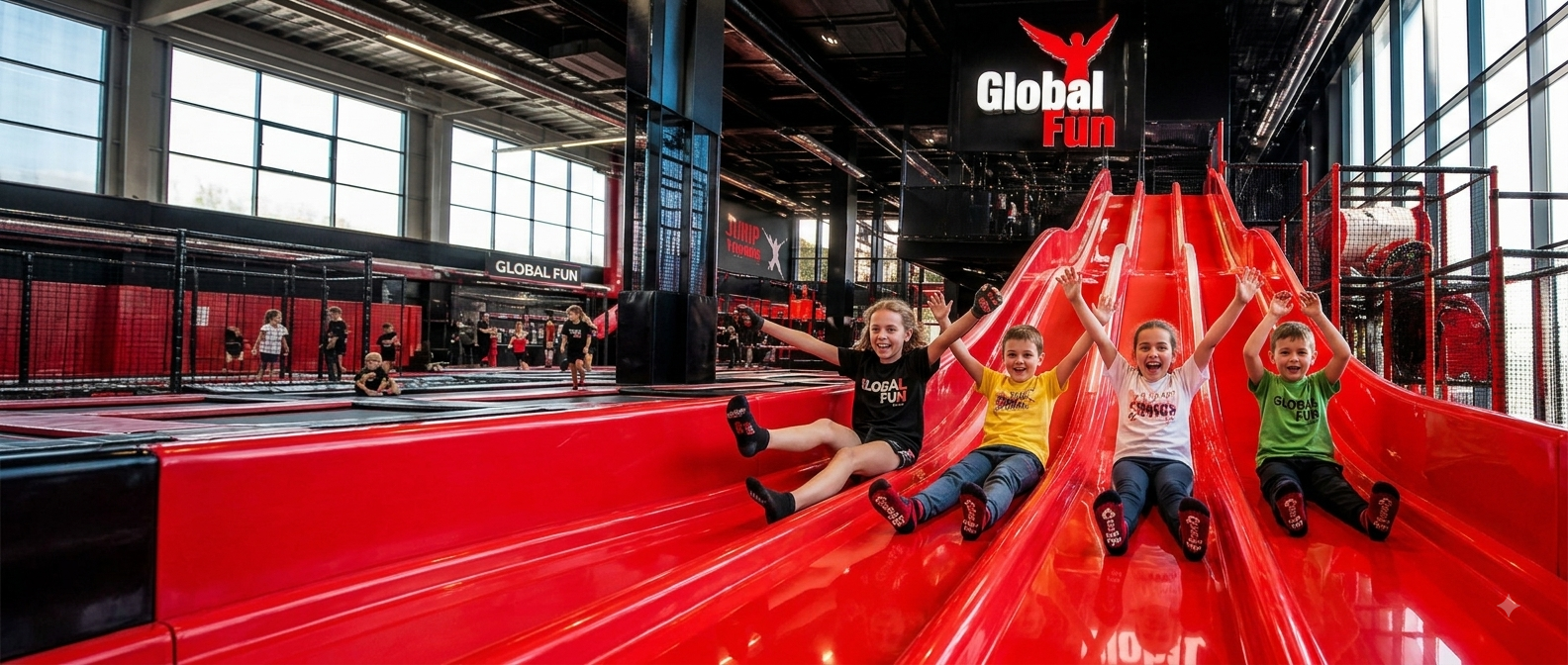
In the commercial Family Entertainment Center (FEC) industry, equipment downtime is more than an inconvenience; it is a direct hit to your bottom line. When a primary attraction like a trampoline zone is cordoned off due to a failed component, you lose more than just ticket sales. You lose the opportunity for secondary spend in food and beverage, and you risk damaging the long-term reputation of your facility. Effective FEC asset management requires moving away from reactive repairs toward a proactive, inventory-driven maintenance strategy.
Every hour an attraction remains closed for repairs represents lost revenue and diminished capacity. For owners looking to maximize their square footage, such as those currently adding a laser tag arena or other high-intensity zones, the complexity of maintenance increases. If your core trampoline area is offline, the foot traffic required to sustain these secondary attractions disappears. A broken spring or a ripped safety net cannot wait for a next-day shipment; you must have the parts on-site to ensure immediate rectification.
A professional trampoline park maintenance checklist must include a dedicated stock of high-wear components. Relying on "just-in-time" delivery for critical parts is a significant operational risk. Your inventory should prioritize the following:
By maintaining this inventory, you ensure that your facility remains a reliable destination, preventing the localized failures that lead to larger operational shutdowns.
Maintenance does not exist in a vacuum; it is part of a broader hygiene and safety ecosystem. For example, the same rigor applied to automated ball pit cleaning standards should be applied to your trampoline inspections. A clean facility is a safe facility.
Operational success relies on the synergy between different revenue streams. High-performing venues understand that keeping the main attraction functional is the primary driver for increasing average family spend in concessions and cafe areas. If your trampolines are operational, families stay longer, eat more, and return more frequently. Your maintenance schedule should be synchronized with your cleaning rotations to ensure that inspections do not interfere with peak trading hours.
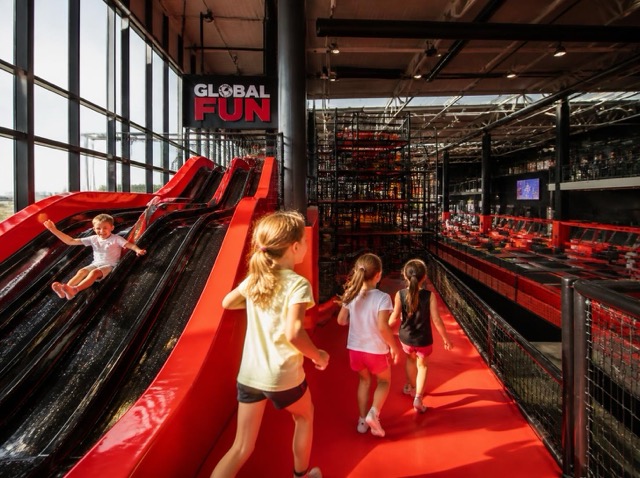
For developers and investors, the strategy begins long before the first guest arrives. Implementing a robust spare parts strategy during your presale and grand opening strategy is vital for long-term stability. It is much more cost-effective to budget for an initial parts inventory during the construction phase than to attempt to build one while facing high-pressure operational demands.
For ongoing updates on industry standards and facility management, regularly review our latest industry news and technical updates to stay ahead of safety regulations and equipment trends.
Need a professional audit of your facility's safety or equipment requirements?
Contact our team to discuss site audits, capacity planning, or custom equipment upgrades: