
Indoor Playgrounds Manufacturer
invest in the FEC industry with our attractions
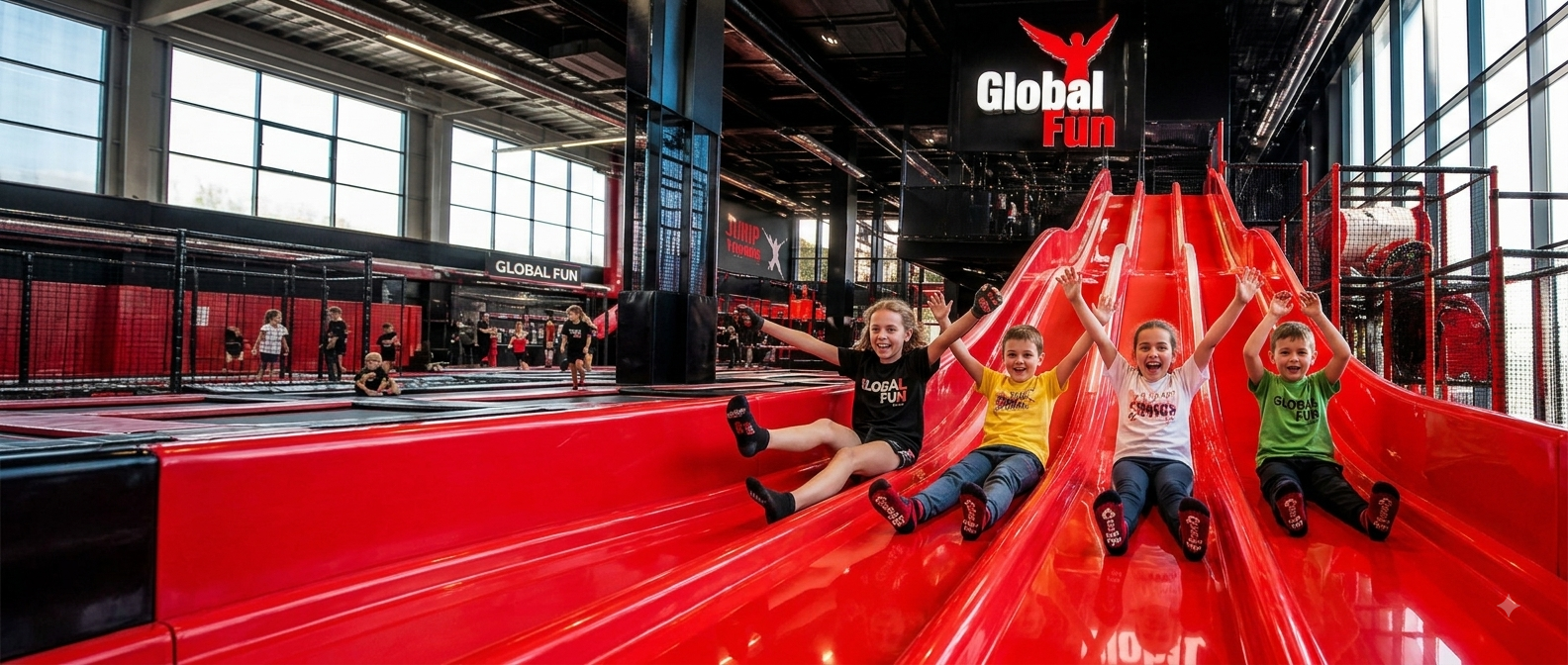
In the commercial leisure industry, floor space is your most expensive asset. Every square foot of a warehouse or retail unit must generate measurable revenue to justify its cost. For facility owners with high-ceiling venues—specifically those exceeding 20 feet—the most significant wasted resource is the vertical volume above the ground. While traditional attractions occupy the floor, overhead assets like sky riders and ropes courses allow you to monetize the air, effectively doubling your attraction density without increasing your real estate footprint.
Vertical attractions provide a unique opportunity for high-intensity engagement that does not compete for floor space with trampoline zones or play structures. An indoor sky rider or zip line system utilizes the structural height of your facility to create a high-impact experience that attracts a different demographic, often older and higher-spending than standard playground users. This vertical expansion is essential when calculating a professional trampoline park business plan and real investment costs, as it allows for increased visitor throughput within the same operational area.
By integrating overhead systems, you create a multi-layered experience. A facility that previously only offered ground-level play can now host a complex ecosystem of movement. This includes installing mechanical sweeper attractions for high throughput and viral social media visibility, which drives foot traffic during off-peak hours. These overhead elements serve as visual anchors, visible from the entrance, acting as a constant advertisement of the facility's scale and capability.
Implementing aerial attractions is not merely about hanging cables; it requires precise structural engineering and strict adherence to safety protocols. Our factory in Poland manufactures all sky rider components and ropes course elements under rigorous EU and US safety certifications. These systems are designed for integration with existing or new structural steel play equipment, ensuring that your building's load-bearing capacity can safely support the dynamic forces of moving riders.
Our in-house Polish installation crew manages the entire deployment process. We do not outsource assembly to third-party contractors. This "Turnkey Delivery" model reduces risk for the investor, as our engineers handle everything from initial site audits and 3D virtual walkthroughs to final on-site assembly and safety certification. When planning your layout, it is vital to consider how these overhead tracks will interact with other high-energy zones, such as implementing ProZone and wall walk trampolines for advanced acrobats and teens, to ensure clear clearance and safe operational paths.
The most profitable FECs are those that function as multi-attraction hubs. A successful strategy involves layering different types of movement: ground-based jumping, interactive digital zones, and aerial adventure. As you expand your portfolio, consider deploying interactive trampolines and AR gamified esports to capture the tech-driven younger demographic alongside your more physical rope course offerings.
This approach maximizes "dwell time"—the duration a visitor stays in your facility—which directly correlates with higher food and beverage sales. A visitor engaged in a 15-minute ropes course session is significantly more likely to spend additional revenue on snacks or merchandise than a visitor moving quickly through a single-use attraction area.
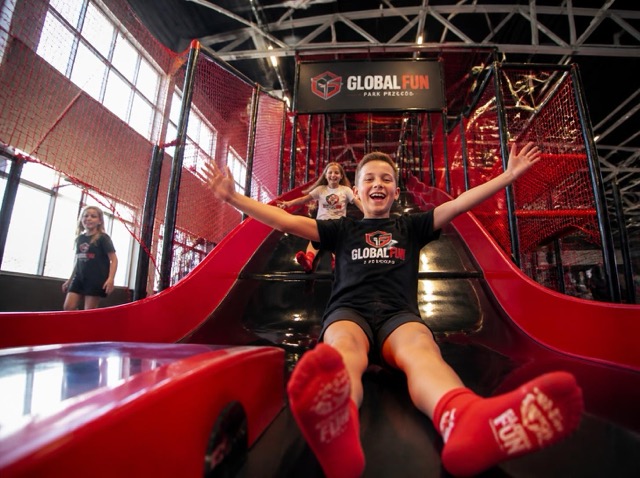
If you have underutilized vertical space, do not let it remain an overhead cost. Contact our team today to schedule a site audit, discuss capacity planning, or request an ROI calculation for your specific venue layout.